
The truckload market opened November with relatively stable national pricing but noticeably different conditions across equipment types. Overall tender rejections declined to 12.73 percent, while the national dry van spot rate increased slightly to $3.47 per mile including fuel.
Dry van rejection activity and pricing both moved modestly higher. Reefer conditions softened, while flatbed rejection rates increased even as national flatbed pricing fell. These differences reinforce the importance of evaluating each mode and region separately as holiday shipping activity begins to build.
Overall Rejections Ease While Pricing Holds Firm
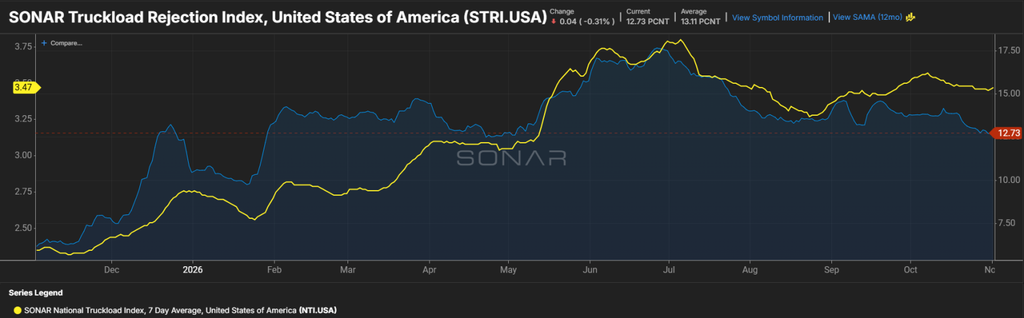
The all mode tender rejection rate currently stands at approximately 12.73 percent, while the SONAR National Truckload Index is approximately $3.47 per mile including fuel.
These indicators provide an important view of capacity availability and carrier pricing power. When carriers reject more contracted shipments, additional freight generally moves into the spot market. That increases competition for available trucks and can create upward pressure on rates.
The relationship was particularly clear from late winter through early summer. Rejection rates moved from the single digits into the teens, while national spot pricing rose alongside them. Both measures reached their strongest levels around late June and early July, when rejections approached 17.5 to 18 percent and the National Truckload Index reached approximately $3.75 to $3.80 per mile.
Conditions cooled after the Fourth of July as urgency eased and capacity returned to the market. Rejections and pricing declined through July and much of August before finding firmer ground during the fall.
The latest readings show a modest difference between the two measures. Overall rejections declined to 12.73 percent, while the National Truckload Index increased slightly to $3.47 per mile. This suggests that spot pricing is holding steady even as contracted capacity becomes somewhat more reliable at the national level.
The current rejection rate remains below the summer peak but above the loose conditions seen earlier in the year. As November freight builds, shippers should watch whether holiday demand causes rejections to reverse direction and begin moving higher.
Rejection Rates Move Differently by Mode
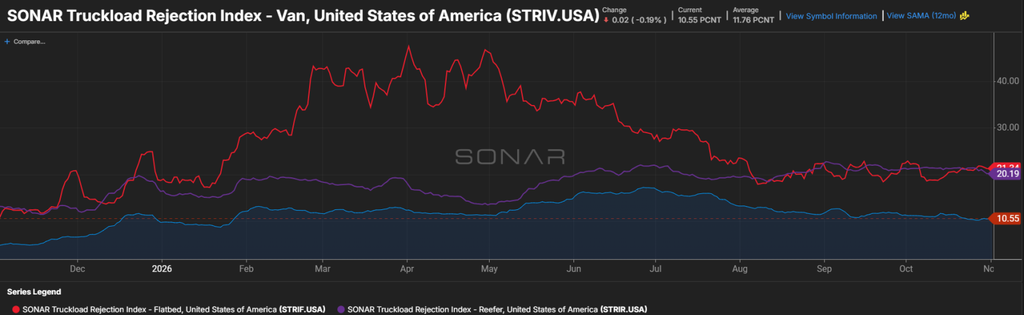
Dry van tender rejections increased 0.17 percentage points to 10.55 percent. Reefer rejections declined 1.27 percentage points to 20.19 percent, while flatbed rejections increased 0.32 percentage points to 21.24 percent.
Dry van capacity tightened slightly but remains more available than reefer or flatbed equipment. Reefer recorded the largest weekly change, although a rejection rate above 20 percent still indicates that refrigerated trucks may be difficult to secure in certain markets.
Flatbed carries the highest rejection rate of the three modes this week. That suggests carriers remain selective with contracted freight, particularly on lanes affected by specialized equipment requirements, project deadlines or limited return freight.
Dry Van Pricing Edges Higher
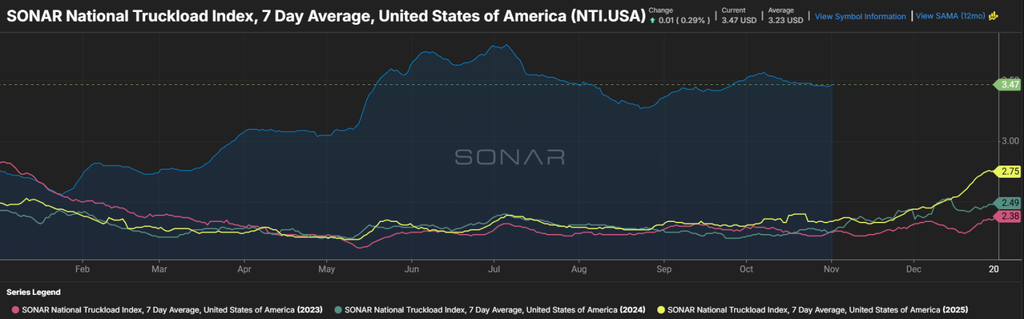
The national dry van spot rate is approximately $3.47 per mile including fuel, up $0.01 from the previous week.
The small increase aligns with the modest rise in dry van tender rejections. Together, these movements suggest that carriers gained a limited amount of leverage during the week, although the change is not large enough to indicate a broad tightening cycle.
Holiday inventory, consumer packaged goods, food and beverage shipments and retail replenishment will become increasingly important throughout November. These demand sources can create temporary pressure around large distribution centers even when national capacity appears balanced.
Shippers should use the national rate as a benchmark while continuing to evaluate origin, destination, appointment requirements and available return freight on individual lanes.
Reefer Conditions Soften but Remain Tight
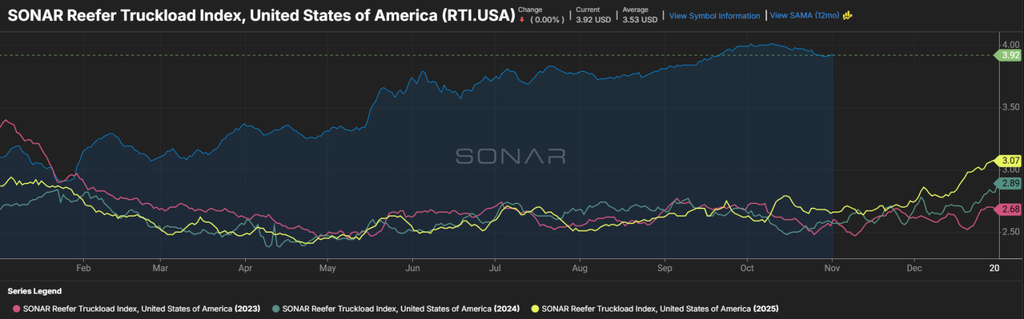
The national reefer spot rate is approximately $3.92 per mile including fuel, down $0.01 from the previous week.
Reefer tender rejections also declined to 20.19 percent. The weekly movement suggests that refrigerated capacity became somewhat easier to secure, but the rejection rate remains elevated enough to warrant careful planning.
Thanksgiving preparation, grocery distribution and remaining fall produce activity may create stronger demand in specific agricultural and population centers. National averages can therefore understate the pressure on lanes connected to food production and retail distribution markets.
Reefer shippers should continue booking early when possible, particularly for strict pickup appointments, temperature sensitive products and destinations with limited reload opportunities.
Flatbed Rejections Rise as Pricing Falls
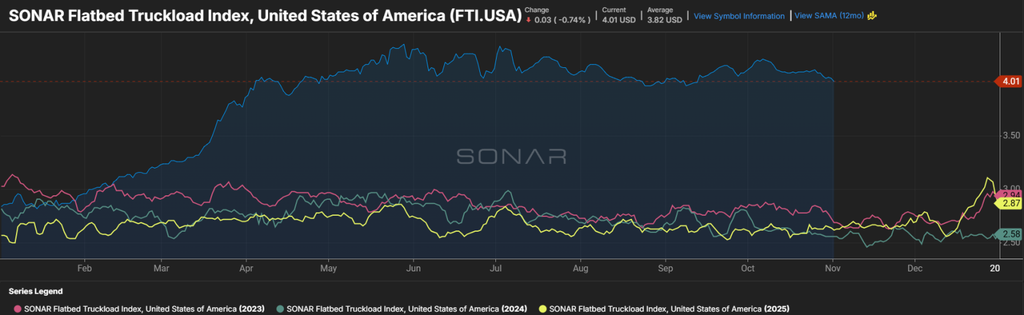
The national flatbed spot rate is approximately $4.01 per mile including fuel, down $0.11 from the previous week.
At the same time, flatbed tender rejections increased to 21.24 percent. This creates an important contrast between carrier acceptance and national pricing. Carriers are rejecting a greater share of contracted loads, but the additional freight moving into the spot market has not produced higher national rates.
Flatbed conditions are often highly regional and connected to individual projects. Construction deadlines, manufacturing activity, energy freight and specialized equipment requirements can create short periods of pressure that are not immediately reflected in a national average.
Colder weather may also increase urgency across northern markets as contractors work to complete projects before winter conditions affect job sites. Tarping, securement and access requirements should be communicated clearly before booking transportation.
Shipment Volumes Follow Familiar Seasonal Timing
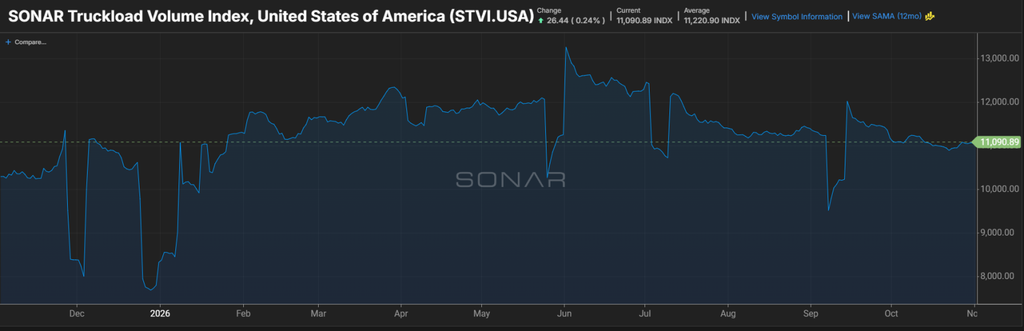
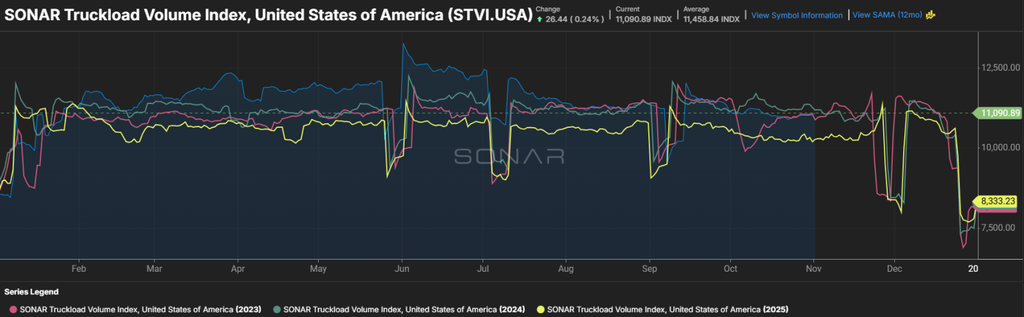
Overall shipment volume continues to follow familiar seasonal timing, but the amount of freight moving through the market differs from previous years. This helps explain why national conditions can appear stable while particular regions and equipment types remain tight.
Total volume is only one part of the market. Truck positioning, contracted carrier reliability and the concentration of freight within a short period can influence pricing even when national shipment counts remain moderate.
Dry Van Volume Remains Below Previous Years
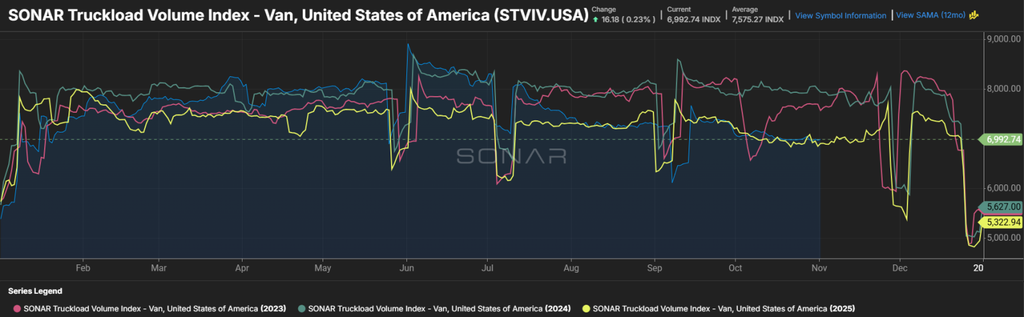
Dry van volume remains below comparable levels from the previous three years. Volume declined significantly after the Fourth of July and continued at a lower level beyond Labor Day.
The softer volume environment has helped prevent a broad capacity squeeze. Even so, this week’s modest increase in dry van rejections and pricing shows that local conditions can tighten without a major increase in national shipment volume.
If trucks are poorly positioned or freight becomes concentrated around a major distribution market, capacity can become more expensive even when the broader volume trend remains subdued.
Reefer Volume Requires Regional Context
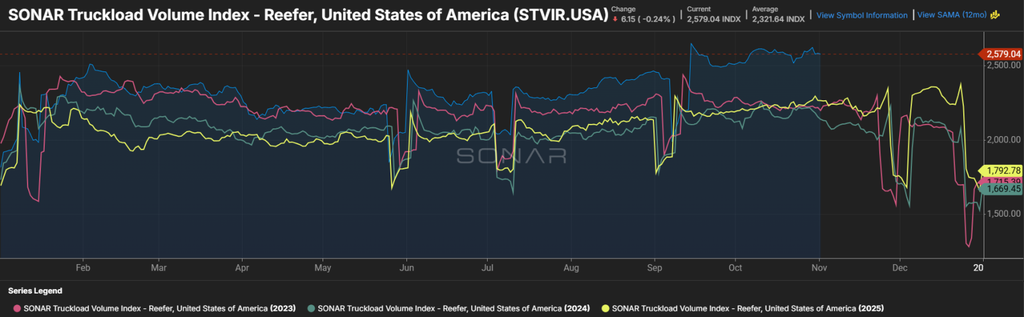
The reefer volume comparison provides additional context for a market where rejection rates remain above 20 percent. National volume may appear manageable, but produce regions, grocery distribution centers and lanes with limited return freight can experience very different conditions.
Refrigerated shippers should evaluate capacity by origin, destination and pickup date rather than relying only on the national trend. Early communication and flexible scheduling can help reduce exposure when equipment becomes concentrated in seasonal markets.
What Shippers Should Watch Next
This week’s data points to a market that is stable nationally but divided by mode. Overall rejections declined, dry van pricing moved slightly higher, reefer softened and flatbed rejection rates increased despite a notable decline in pricing.
As November progresses, holiday inventory, Thanksgiving food distribution and weather sensitive construction activity may create stronger regional pressure. These demand sources can tighten capacity quickly even when national shipment volumes remain below previous years.
Shippers should continue monitoring tender rejections, spot rates and regional truck availability together. Planning early will be especially important for refrigerated freight, specialized flatbed equipment, strict appointments and lanes with limited return freight.
IEL will continue monitoring these indicators and helping customers prepare for changes in capacity and pricing.
Learn more about how Integrity Express Logistics can help you navigate these roads.
Author
Brian Seven – Sales Engagement Manager